
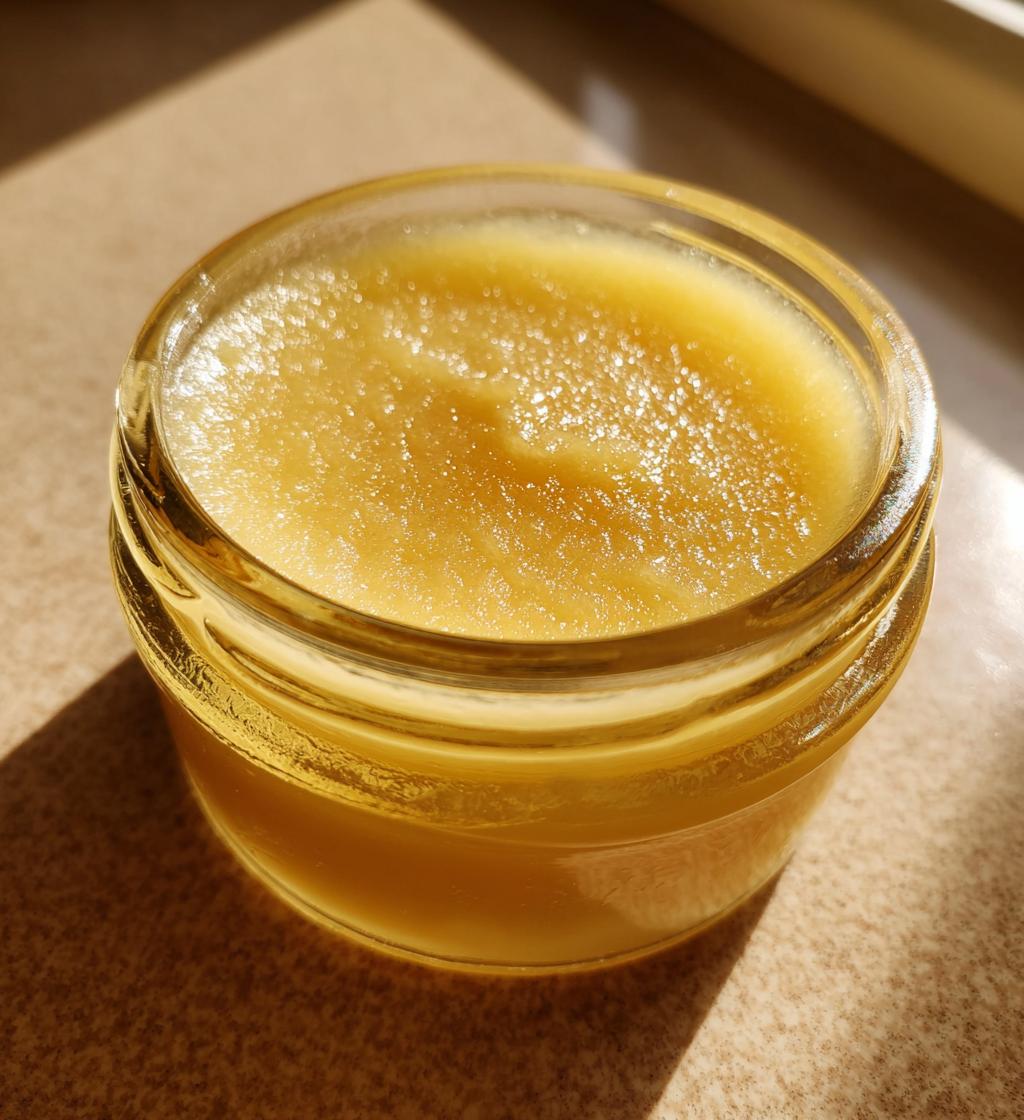
Beef tallow is such a game changer in the kitchen! This rendered fat from beef is not just a cooking staple; it’s a culinary treasure that brings rich flavor and depth to so many dishes. I remember the first time I used beef tallow—it was for frying up some homemade French fries. The crispiness was out of this world! I was instantly hooked. The versatility of tallow is incredible; you can use it for frying, baking, or even as a base for savory dishes. It’s like liquid gold! Plus, making your own tallow at home is surprisingly easy, and you get to control the quality of the fat. Once you start using beef tallow, you’ll wonder how you ever cooked without it. Trust me, it’ll elevate your cooking game and add a delightful, hearty flavor to your meals. So, let’s dive into how to prepare this amazing cooking fat!
Ingredients List
To make your own beef tallow, you’ll need just one simple ingredient:
- Beef fat: 2 pounds of high-quality beef fat, ideally from grass-fed cattle. It’s important to choose good fat, as this will directly influence the flavor and quality of your tallow. Look for fatback or suet, as these cuts render beautifully and provide the best results.
That’s it! With this single ingredient, you can create a cooking fat that will enhance your meals in countless ways. So let’s get started!
How to Prepare Beef Tallow
Rendering beef tallow is a simple yet rewarding process that transforms beef fat into a luscious cooking fat you’ll wonder how you lived without! Follow these steps, and you’ll have your own homemade beef tallow ready in no time.
Step 1: Chop the Beef Fat
Start by chopping the beef fat into small, even pieces. This is super important because smaller chunks will melt more evenly and quickly, ensuring you get that perfectly rendered tallow without any stubborn bits left behind. Trust me, the more uniform your pieces, the smoother your process will be!
Step 2: Heat the Fat
Next, place the chopped fat into a large pot over low heat. Low heat is crucial here; it allows the fat to melt slowly and gently, preventing any burning or smoking. This slow rendering brings out the best flavor and quality in your tallow, so resist the urge to crank up the heat!
Step 3: Cook and Stir
Now comes the fun part! Stir the fat occasionally as it cooks. This step usually takes about two hours, but keep an eye on it. You’ll notice the fat turning clear as it melts. As it transforms, the solid bits will become crispy, and that’s a good sign! You want to remove those bits later, so don’t skip this step!
Step 4: Strain the Liquid Fat
Once the fat has fully melted, it’s time to strain the liquid fat. Carefully pour it through a cheesecloth into a clean container. This step is essential because it removes any leftover solid pieces that could affect the texture of your tallow. You want that silky smooth finish!
Step 5: Cool and Solidify
Finally, allow the strained tallow to cool at room temperature before transferring it to the fridge. As it cools, you’ll see it solidify into a creamy, white substance. Voila! You’ve made your own beef tallow! Store it in a cool, dark place, and enjoy using it in your cooking adventures.
Nutritional Information
Before diving into the delicious world of beef tallow, it’s important to note that nutritional values can vary based on the specific ingredients and brands you use. Generally speaking, a typical serving size of 1 tablespoon of beef tallow contains approximately 115 calories, with 13 grams of fat, including 6 grams of saturated fat and 7 grams of unsaturated fat. There are no sugars, carbohydrates, or proteins present. It’s a fantastic option for those looking for a flavorful cooking fat that is gluten-free and perfect for frying or baking. Just remember to enjoy in moderation!
Why You’ll Love This Recipe
Making your own beef tallow is not just rewarding; it’s a culinary upgrade that brings so many benefits to your kitchen. Here’s why you’ll fall in love with this recipe:
- Incredible Flavor: Beef tallow infuses your dishes with a rich, savory flavor that’s hard to replicate with other fats.
- Versatile Use: You can use it for frying, baking, or even as a base for sauces. It adapts beautifully to any cooking style!
- Easy Preparation: Rendering tallow is straightforward and requires minimal effort—just let it melt slowly and strain!
- Healthier Alternative: Homemade tallow is free from preservatives and additives, giving you a cleaner cooking fat option.
Once you try it, you’ll see why beef tallow is a must-have in your kitchen!
Tips for Success
Rendering beef tallow can be a breeze if you keep a few simple tips in mind:
- Use Fresh Fat: Always start with fresh, high-quality beef fat to ensure the best flavor. Stale fat can lead to off-tasting tallow.
- Keep It Low and Slow: Patience is key! Cooking at low heat prevents burning and allows the fat to melt evenly.
- Stir Occasionally: Stirring prevents the fat from sticking to the pot and helps release any trapped moisture.
- Watch for Color Change: When the fat turns clear, you know it’s ready to strain. Don’t let it get too dark!
By following these tips, you’ll have a smooth, delicious beef tallow ready to elevate your cooking!
Storage and Reheating Instructions
To store your homemade beef tallow properly, transfer it into a clean, airtight container and keep it in a cool, dark place like a pantry or the fridge. If you plan to use it within a few weeks, refrigeration is perfect. For longer storage, consider freezing the tallow in smaller portions using ice cube trays; this way, you can easily grab just what you need when cooking!
When it’s time to use your tallow, simply scoop out the desired amount and gently reheat it on low heat until it melts. Avoid high temperatures to preserve its flavor and quality. Enjoy your cooking adventures with this amazing fat!
FAQ Section
Got questions about beef tallow? You’re not alone! Here are some common inquiries, along with my insights:
- What can I use beef tallow for? Beef tallow is incredibly versatile! You can use it for frying, sautéing, or even as a base for baking. It adds a fantastic depth of flavor to dishes like roasted vegetables or homemade pastries.
- Is beef tallow healthy? While it’s high in fat, beef tallow contains beneficial nutrients and is free from preservatives. It’s a great option for those following a low-carb or ketogenic diet. Just enjoy it in moderation!
- How should I store beef tallow? Store your rendered tallow in an airtight container in a cool, dark place. It can last for several months in the fridge or even longer in the freezer, making it a convenient cooking fat to have on hand.
- Can I use beef tallow in place of other fats? Absolutely! Beef tallow can replace butter, lard, or vegetable oils in most recipes, giving your dishes a unique flavor profile.
Hopefully, this clears up any questions you might have about using beef tallow in your cooking adventures!
Print
Beef Tallow: 5 Reasons to Embrace Kitchen Perfection
- Total Time: 2 hours 15 minutes
- Yield: About 1.5 quarts
- Diet: Gluten Free
Description
Beef tallow is rendered fat from beef, used in cooking and baking.
Ingredients
- Beef fat: 2 pounds
Instructions
- Chop the beef fat into small pieces.
- Place the fat in a large pot over low heat.
- Cook slowly, stirring occasionally, until the fat melts and becomes clear.
- Strain the liquid fat through a cheesecloth into a clean container.
- Allow the tallow to cool and solidify.
Notes
- Store tallow in a cool, dark place.
- Use tallow for frying or baking.
- Beef tallow adds flavor to dishes.
- Prep Time: 15 minutes
- Cook Time: 2 hours
- Category: Cooking Fat
- Method: Rendering
- Cuisine: American
Nutrition
- Serving Size: 1 tablespoon
- Calories: 115
- Sugar: 0g
- Sodium: 0mg
- Fat: 13g
- Saturated Fat: 6g
- Unsaturated Fat: 7g
- Trans Fat: 0g
- Carbohydrates: 0g
- Fiber: 0g
- Protein: 0g
- Cholesterol: 0mg
Keywords: beef tallow, cooking fat, rendered fat